Training for Everest Base Camp: A Complete Guide
A comprehensive guide to physical conditioning for high altitude trekking. Learn exactly what exercises you need to survive the Khumbu.
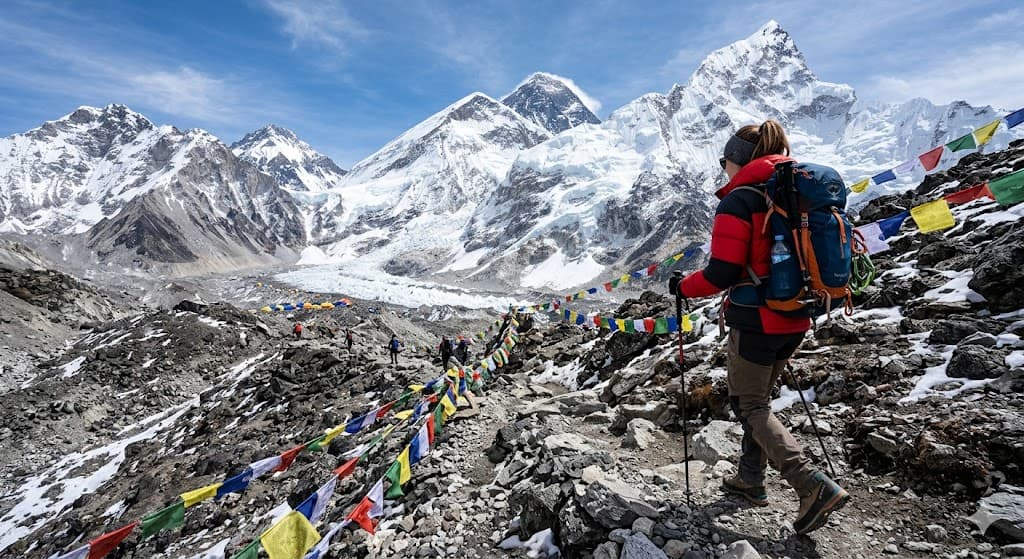
Trekking to Everest Base Camp (5,364m) is not a technical mountaineering climb. You don't need ropes, ice axes, or prior climbing experience. However, it is a grueling, multi-day test of endurance. The air at Base Camp contains about 50% less oxygen than at sea level. Your body needs to be a highly efficient machine to handle this stress.
Phase 1: Cardiovascular Endurance
Start your training at least 12 to 16 weeks before your arrival in Kathmandu. Your goal isn't speed; it's sustained stamina. You need to train your heart and lungs to deliver oxygen to your muscles as efficiently as possible.
The Stairmaster
The Khumbu region is famous for its relentless stone stairs. Spend 45-60 minutes on the Stairmaster twice a week, wearing a 5kg-10kg backpack.
Long Distance Hikes
The most sport-specific training you can do. Aim for one 4-to-6 hour hike every weekend on uneven terrain, steadily increasing your backpack weight.
Phase 2: Strength & Core Training
Cardio alone won't get you to Base Camp. Your legs will take a massive beating on the steep descents, and carrying a 5kg daypack for 7 hours a day requires a rock-solid core and lower back.
- Squats and LungesAim for 3 sets of 15-20 reps. Focus on slow, controlled movements to bulletproof your knees for the downhill sections.
- Calf Raises3 sets of 20 reps. Your calves will be working overtime on the uphill inclines between Phakding and Namche Bazaar.
- Planks & Core WorkHold a plank for 60-90 seconds, 3 times a day. A strong core prevents lower back pain from your backpack.
Can You Train for Altitude?
The short answer is: No. Being a marathon runner does not make you immune to Acute Mountain Sickness (AMS). Altitude sickness is genetic and based on how quickly your specific body adapts to thin air.
However, being highly fit means your body uses the limited oxygen available much more efficiently, and you will recover from daily fatigue much faster. Fitness makes the trek enjoyable; slow pacing and acclimatization keep you alive.
Sample 12-Week Weekly Schedule
Not sure where to start? Copy this baseline training schedule and adjust it to your fitness level:
Rest Day or Light Yoga
45 Min Stairmaster (with 5kg pack)
Strength Training (Legs & Core)
5km - 8km Run or Cycle
Rest Day
4-6 Hour Hike (Uneven terrain, 10kg pack)
Phase 3: Test Your Gear
Training isn't just about your muscles; it's about breaking in your equipment. The worst place to discover your boots give you blisters is on Day 2 in Phakding. You must do your long weekend training hikes wearing the exact boots, socks, and backpack you plan to bring to Nepal.
Pro Tip: Make sure you have the right gear to begin with. Check out our Ultimate Nepal Trekking Packing List to see exactly what you should be wearing.
"The mountain does not care about your marathon time. It cares about your endurance, your gear, and your mental ability to adapt to thin air."- Mingma Sherpa, Lead Guide
Mental Conditioning
You will experience headaches, cold nights where the tea house water freezes, and days where you simply don't want to walk anymore. The ability to push through discomfort is just as important as your physical strength.
This is why having a professional is crucial. By booking a local Sherpa guide directly through our platform, you ensure you have an experienced professional pacing you, monitoring your blood oxygen levels, and giving you the mental encouragement needed to reach the Base Camp sign.