What is the Food Like on a Nepal Trek? A Guide to Tea House Meals
Forget freeze-dried camp meals. Discover the amazing, carb-heavy cuisine you will be eating in Himalayan tea houses.
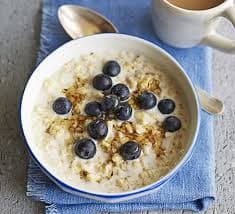
One of the greatest surprises for first-time trekkers in Nepal is the food. If you are used to wilderness backpacking in the West—carrying heavy camping stoves and eating freeze-dried meals out of a pouch—you are in for a treat.
In the Himalayas, you will eat all your meals in cozy, family-run "Tea Houses." After a long day of trekking in the cold, there is nothing better than stepping into a warm dining room, sitting by a yak-dung stove, and ordering from a massive, carb-heavy menu.
1. Dal Bhat: The Trekker's Fuel
If you only eat one thing in Nepal, make it Dal Bhat. It is the national dish, the staple diet of the Sherpas and porters, and the ultimate mountain fuel.
What is on the plate?
- Dal: A rich, warming lentil soup poured over your rice.
- Tarkari: Seasonal vegetable curry (usually potatoes, cauliflower, or spinach).
- Achar: Spicy, fermented pickles to add a massive kick of flavor.
- All-You-Can-Eat: The best part? The hosts will keep refilling your plate until you say stop!
"Dal Bhat Power, 24 Hour!"
— The Unofficial Slogan of the Himalayas
2. Breakfasts, Snacks, and Western Food
Tea house menus are surprisingly extensive. Because ingredients have to be carried up the mountain by porters or yaks, the menus are almost identical from village to village, but the cooks work miracles with what they have.
Breakfast
- • Porridge: Oat or apple porridge (great for altitude).
- • Tibetan Bread: Deep-fried, doughy, and delicious with honey.
- • Eggs: Boiled, fried, or scrambled.
- • Pancakes: Often thick and served with syrup.
Western Cravings
- • Pizza: Usually a thick crust with yak cheese and tomato sauce.
- • Pasta: Macaroni or spaghetti with cheese or tomato sauce.
- • Spring Rolls: Deep-fried and stuffed with veg and cheese.
Soups & Drinks
- • Garlic Soup: A local remedy believed to help with acclimatization.
- • Ginger Lemon Honey: The ultimate cure for the "Khumbu Cough."
- • Sherpa Stew: A thick, hearty noodle and vegetable broth.
The Golden Rules of Food Safety
Killing animals is forbidden in the sacred Sagarmatha (Everest) National Park. Therefore, all meat (like chicken or yak) is slaughtered below the park entrance and carried up the mountain in woven baskets for several days without refrigeration. Getting food poisoning at 4,000m will end your trek. Stick to Dal Bhat, eggs, and cheese.
Do not drink directly from the tap, and avoid buying single-use plastic water bottles (they create a massive waste problem in the Himalayas). Instead, bring two Nalgene bottles and purify tea house tap water using AquaTabs or a LifeStraw. Alternatively, you can buy boiled water from the tea house owners.
A quick note on pricing: Because everything must be carried up by human or animal power, the price of food increases the higher you climb. A plate of Dal Bhat might cost $4 in Lukla, but $9 in Gorak Shep. Budget accordingly!