Sherpa Culture & Traditions You Should Know
Understanding the incredible people who make Himalayan expeditions possible. Learn basic etiquette before arriving.
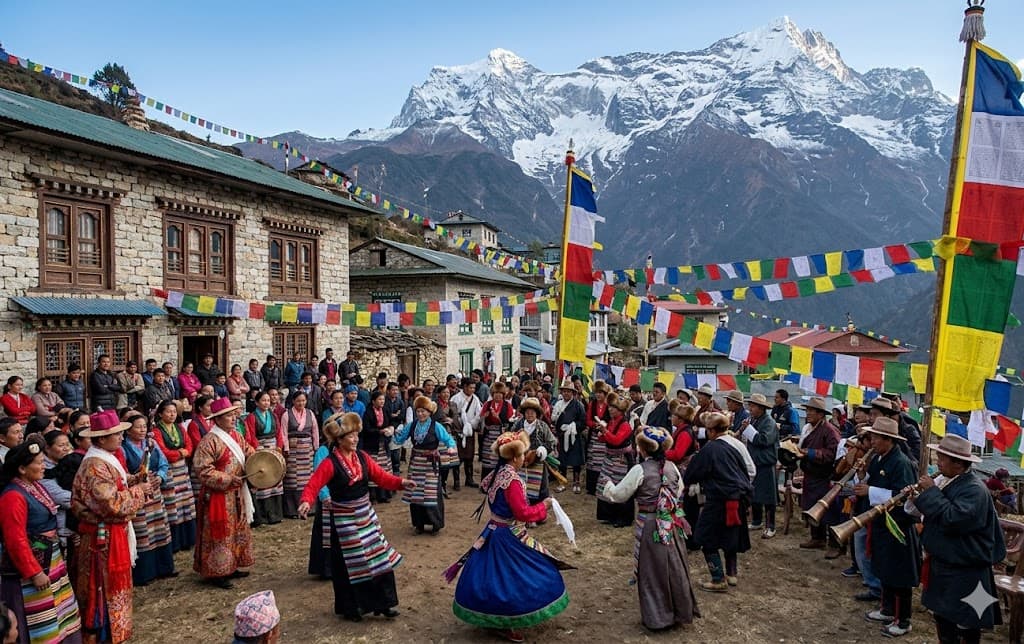
The Himalayas are famous for their towering peaks, but it is the warmth, resilience, and deep spirituality of the local people that truly make a trek in Nepal unforgettable.
Before you step foot on the trail, it is essential to understand the basic cultural etiquette of the region to show respect to the people who call these extreme altitudes home.
What does "Sherpa" actually mean?
The word "Sherpa" is often misused by Westerners as a job title, synonymous with "porter" or "guide." This is incorrect. Sherpa is actually a distinct ethnic group of people originating from the most mountainous regions of Nepal. Thanks to thousands of years of genetics, they are highly adapted to surviving and working at extreme altitudes. While many Sherpas work in the mountaineering industry, they are also business owners, pilots, and doctors!
1. Trail Etiquette: Mani Walls and Stupas
As you trek through the Khumbu (Everest) or Annapurna regions, the trail will frequently be interrupted by beautifully carved stones (Mani stones), prayer wheels, and dome-shaped Buddhist shrines (Stupas).
The Golden Rule of the Trail
Whenever you encounter a religious monument on the trail, you must always walk to the left of it, keeping the object on your right-hand side. It is also customary to spin prayer wheels clockwise as you pass. This is a sign of deep respect in Tibetan Buddhism, symbolizing the turning of the wheel of dharma.
2. The Tea House Experience
Trekking in Nepal is highly unique because you do not sleep in tents (unless you are on a remote mountaineering expedition). Instead, you sleep in family-run "Tea Houses" that dot the trail.
The Dining Room
This is the social heart of the tea house. It is the only room that is heated, usually by a cast-iron stove burning dried yak dung in the center. Everyone gathers here at night to eat, play cards, and share stories.
The Food
Dal Bhat (lentil soup with rice and vegetable curries) is the absolute staple. It is all-you-can-eat, and the local saying goes: "Dal Bhat Power, 24 Hour!" It is the best fuel you can give your body.
Footwear Rules
Nepalese homes and tea houses are sacred spaces. Always remove your muddy hiking boots before entering the main dining area or your bedroom. Bring a pair of lightweight camp shoes or slippers to wear indoors.
3. Why Booking Direct Matters
Empowering the Local Economy
Historically, large foreign trekking agencies took up to 60% of the profits from Himalayan expeditions. This corporate overhead left the actual local guides and porters—the people risking their lives and doing the heavy lifting—with very little compensation.
By using a platform like Summit Crest Himalaya, you are booking directly with certified local professionals. This means 100% of your guide fees stay in the local economy, directly supporting Sherpa families, funding their villages, and ensuring a fair, ethical wage for their incredible expertise.
"Take only pictures, leave only footprints, and respect the ancient culture that allows you to walk among the highest mountains on Earth."