The Best Time of Year to Trek in Nepal: Spring vs. Autumn
Choosing the right month can make or break your Himalayan trek. Discover the pros and cons of trekking in Nepal during the Spring and Autumn seasons.
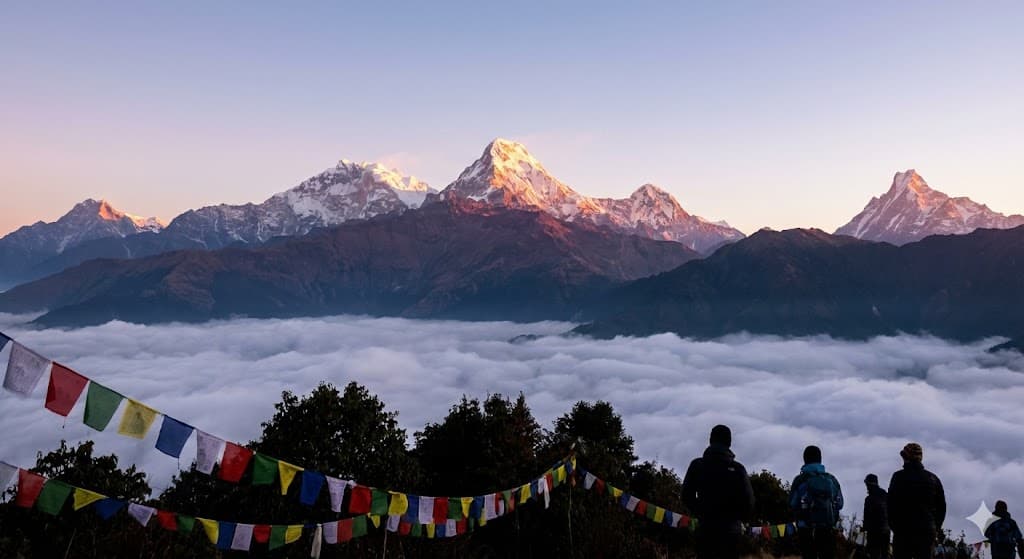
Timing is everything when planning a trek in the Himalayas. Unlike other mountain ranges, the weather in Nepal is dictated entirely by the South Asian monsoon. This creates two distinct, incredibly beautiful, but very different windows for trekking: Spring and Autumn. Let's break down exactly what you can expect in each.
The Autumn Season (Late Sept - November)
Autumn is universally considered the absolute best time to trek in Nepal. The heavy monsoon rains of the summer have literally washed the dust and pollution out of the air. The result? Crystal-clear skies and the sharpest mountain views of the year.
Why You'll Love It
- Perfect Visibility: You will get those classic, cloudless blue-sky photos every single day.
- Stable Weather: Low chance of flight cancellations to Lukla.
- Comfortable Days: Lower altitudes hover around a pleasant 10°C to 15°C (50°F to 59°F).
The Drawbacks
- The Crowds: This is peak season. Trails like EBC and Annapurna will be busy.
- Booking Scarcity: Tea houses fill up fast. You must book your local guide well in advance to secure good rooms.
The Spring Season (March - May)
Spring is the second most popular trekking season and brings the Himalayas back to life after the harsh winter. The valleys explode with color as entire forests of rhododendrons (Nepal's national flower) bloom in vibrant pinks and reds.
Why You'll Love It
- Warmer Weather: The temperatures are noticeably warmer than late Autumn, especially at night.
- Expedition Season: If you hike to EBC in May, you will see the famous "Tent City" full of climbers preparing to summit Everest!
The Drawbacks
- Pre-Monsoon Haze: As the heat builds toward summer, the lower altitudes can get dusty and hazy.
- Afternoon Clouds: The mornings are clear, but clouds often roll in by 2:00 PM, hiding the peaks.
What About Winter and Monsoon?
Winter (Dec - Feb)
Winter offers completely clear skies and zero crowds. It is a photographer's dream. However, the cold is brutal (dropping to -20°C at night). High passes like Thorong La or Cho La are often blocked by deep snow. It is only recommended for highly experienced, cold-weather trekkers.
Monsoon (June - August)
The trails turn to mud, leeches are everywhere, and the mountains are hidden behind thick rain clouds. However, there is a loophole! Regions like Upper Mustang and Upper Dolpo lie in the "Rain Shadow" behind the Himalayas. They stay dry all summer, making Monsoon the perfect time to explore these ancient Tibetan kingdoms.
"If you want perfect photos, come in October. If you want to see the Sherpa capital full of life and Everest expeditions, come in April. But whatever you do, book your local guide early."